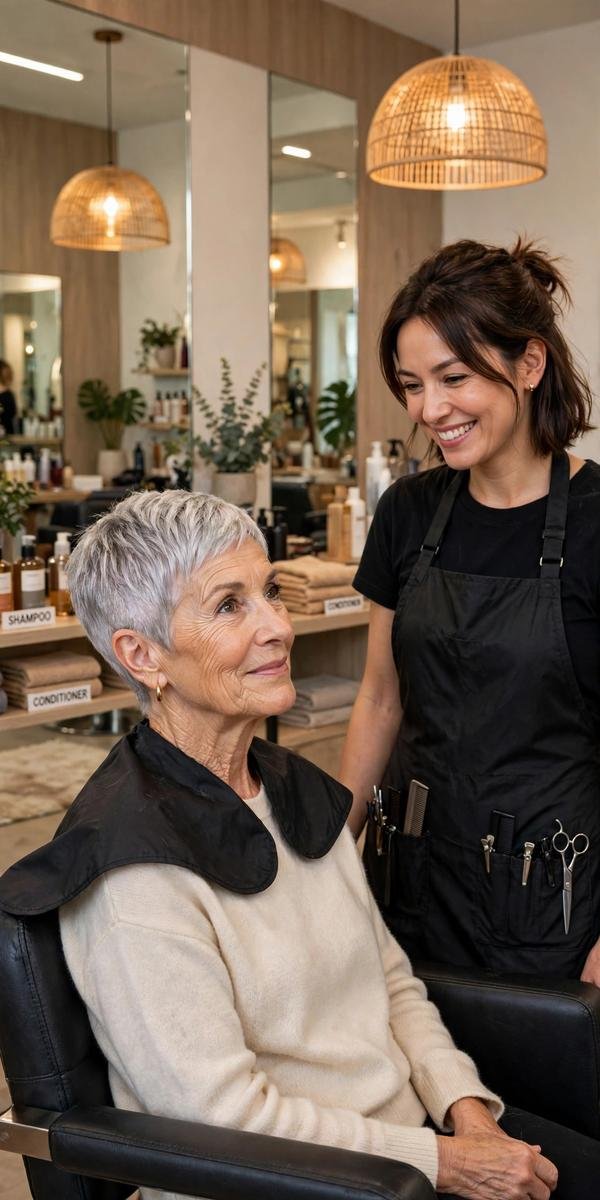
Bangs or No Bangs Over 50? How to Decide
You have stood in front of the mirror, pulled a piece of hair down over your forehead, and asked the same question every woman over 50 asks at some point. Would bangs suit me, or would I regret them in a week? It is a small change with a big effect, and that is exactly why it feels so hard to decide.

The truth is that bangs are not good or bad on their own. They are right for some women and wrong for others, and the difference comes down to your face shape, your hair type, and how much work you are willing to do each morning. A cut that looks wonderful on your friend can look tired on you, and a cut you feared can turn out to be your favourite style in years.
This guide walks through both sides honestly, with no sales talk. You will see what bangs give you and what they cost you, what no bangs give you and what they cost you, and then a simple test that tells you the answer before you ever sit in the salon chair.
1. What Bangs Do for You

Bangs soften the forehead, and that is their biggest gift after 50. Fine lines across the forehead fade behind a soft fringe, and the eye is drawn down to your eyes and your smile instead. Bangs also frame the face, which makes cheekbones look higher and the whole face look a little younger. They add shape to a cut that might otherwise fall flat, and they hide a high forehead or a hairline that has moved back a little. If your hair is fine, bangs can make it look thicker, because the fringe adds a layer of hair right where the face needs it most. They are a small change that can make a familiar cut feel brand new.
2. What Bangs Cost You

Bangs are not free, and the cost is time. A fringe needs a trim every three to four weeks, or it starts to fall into your eyes and lose its shape. Most mornings it needs a quick blow dry or a pass with a brush, because bangs do not behave on their own after a night on the pillow. If your skin is oily, bangs can pick up oil from the forehead and look flat by lunch. Glasses can push a fringe out of place, and a fringe can fog up behind frames. And if you change your mind, growing bangs out takes months of pinning them back and waiting. None of this is a deal breaker, but it is worth knowing before you cut.
Quick Tip
Ask your stylist for a free fringe trim between cuts. Many salons trim bangs at no charge, and it keeps the shape neat for weeks longer.
3. What No Bangs Do for You
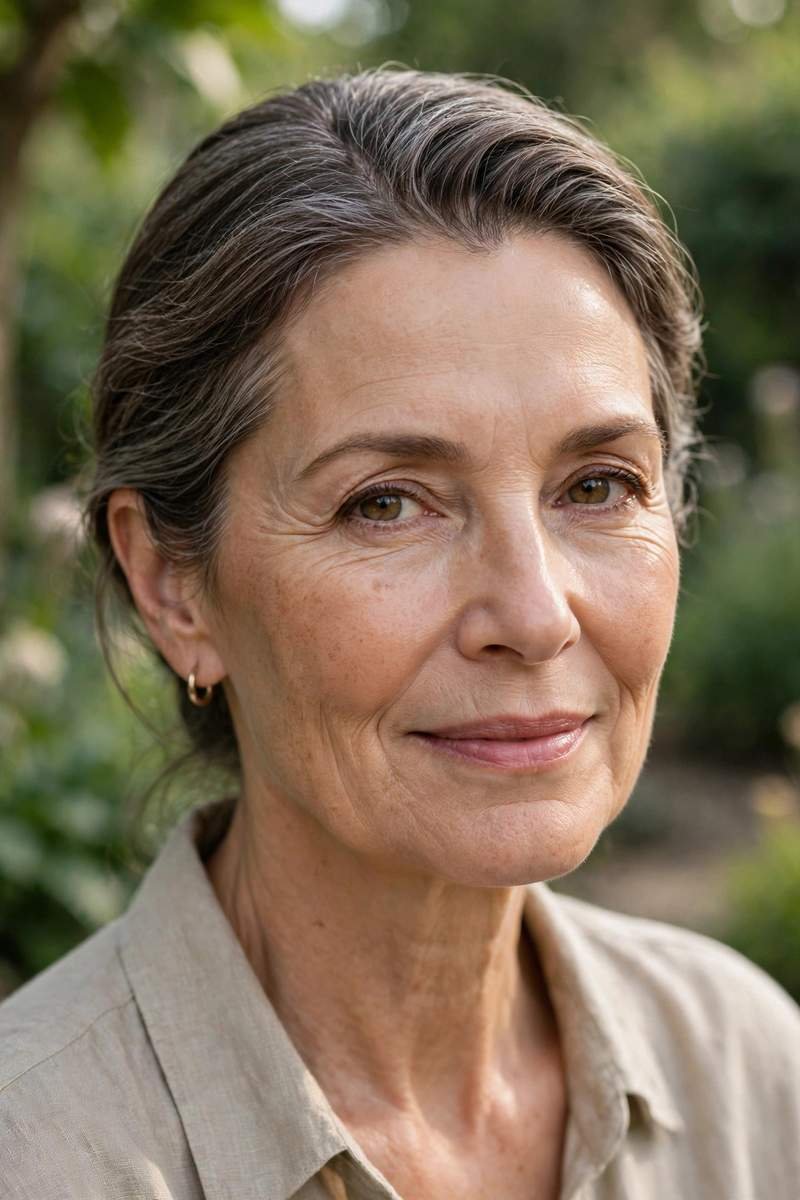
No bangs is the easy option, and easy has real value. Without a fringe, your mornings are shorter. You wash your hair, dry it, and go, with nothing to coax into place. Your face stays open, which suits women with strong brows or a smile they want to show off. Glasses sit cleanly, with nothing caught behind the frames. Styling is flexible too. You can part your hair in the middle, on the side, or sweep it back, and each part gives you a different look from the same cut. And if you ever want to change, there is no grow out phase to suffer through. No bangs is a calm, low fuss choice that always looks tidy.
4. What No Bangs Cost You

Going without bangs has its own price. Your forehead is on show, so lines and a high forehead have nothing to hide behind. A cut with no fringe can look severe if the rest of the hair is flat, and it can make a long face look longer. Fine hair can look thinner without a fringe, because there is no layer of hair at the front to add fullness. You may also need more volume at the roots to keep the style from falling flat. None of this means no bangs is wrong. It means the rest of the cut has to do more work, so ask your stylist for soft layers or a little lift at the crown to balance the open forehead.
Signs no bangs may not suit you
5. Your Face Shape
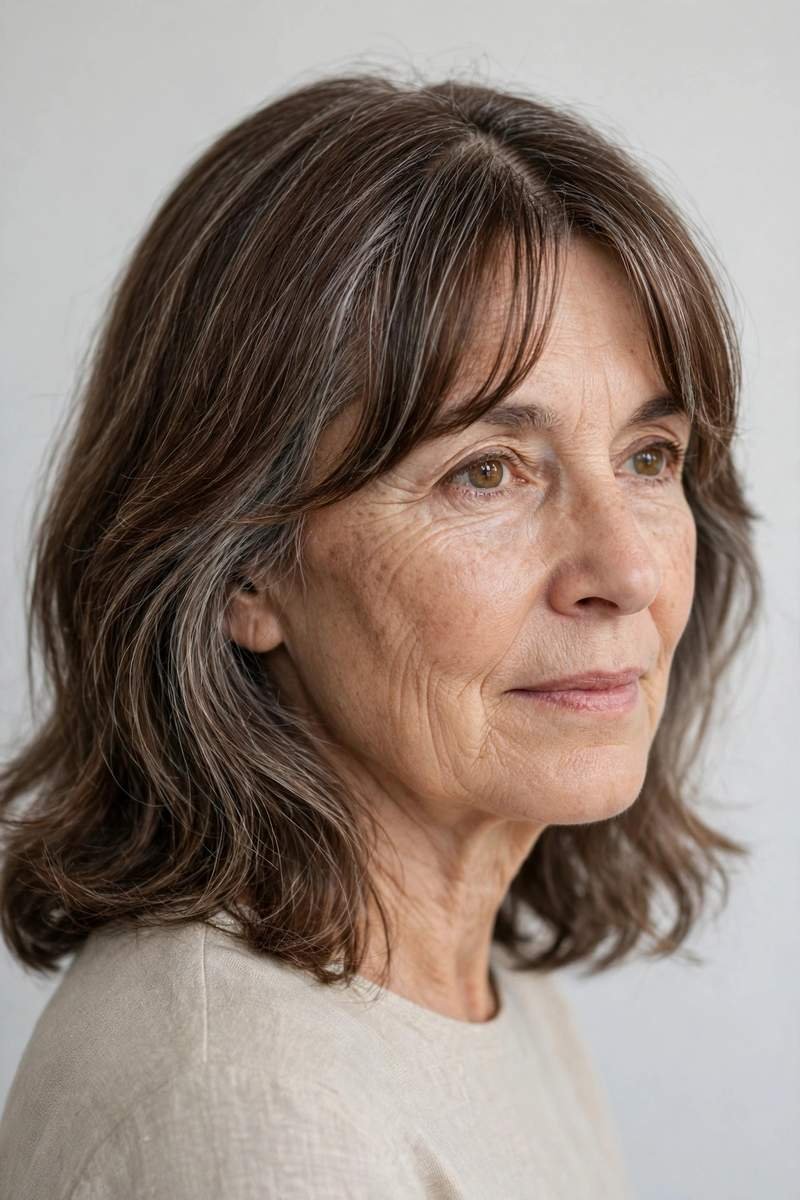
Face shape is the best guide you have. A round face suits long, side swept bangs, because the diagonal line makes the face look longer. An oval face can wear almost any fringe, from blunt to wispy, so pick the one you like most. A long face suits a blunt fringe that cuts across the forehead, because it shortens the face in a flattering way. A square face needs soft, wispy bangs, because a hard straight line can make the jaw look stronger. A heart shaped face suits curtain bangs that part in the middle and fall softly on each side. Stand in front of the mirror, trace your face shape with your finger, and match it to the fringe that flatters it.
Quick Tip
Pull your hair back and look at your face shape in the mirror first. The fringe should work with your shape, not fight it, so decide the shape before you decide the fringe.
6. Your Hair Type

Hair type decides which fringe will behave, so match the bang to the hair you actually have. Fine hair suits light, wispy bangs, because a heavy fringe can look thin and stringy. Thick hair suits a fuller fringe, but ask your stylist to thin it underneath so it does not sit like a solid wall. Curly hair needs longer bangs, cut dry, because curls spring up shorter than they look when wet. Straight hair can wear any fringe, from blunt to curtain, and it will hold its shape well. Wavy hair suits curtain bangs that fall to each side, because the natural wave does the styling for you. A fringe that fights your hair type will fight you every morning, so choose the one your hair wants.
7. The Grow-Out Test

You do not have to guess. Try the grow out test before you cut. For one week, pin your front hair back as if you had no bangs, and take a photo in the morning. Then for the next week, pull a section of hair down over your forehead as if you had bangs, and take a photo in the morning. Compare the two sets of photos, and ask a friend which set looks more like you. You can also try a clip in fringe at a salon or a beauty shop, which costs little and shows you the real thing. If you keep reaching for the fringe photos, you have your answer. If you keep reaching for the open forehead, you have that answer too.
“Try the look before you cut it. A week of photos costs nothing, and it tells you more than a hundred opinions ever will.”
8. The Verdict: How to Decide

Here is how to decide. Choose bangs if you want softness around your forehead, you do not mind a trim every few weeks, and your hair type suits a fringe. Choose no bangs if you want easy mornings, you wear glasses, and you like an open face with flexible styling. If you are still torn, pick the middle path. Curtain bangs are long, soft, and part in the middle, so they give you the softness of a fringe with the easy grow out of no bangs. They are the safest first step, and you can always go shorter next time. There is no wrong answer here. There is only the answer that fits your face, your hair, and your life right now.
Your decision checklist
Your Answer Is in the Mirror
Bangs or no bangs is not a test you can fail. It is a choice about how you want to look and how much time you want to spend getting there. The photos from your two week test, your face shape, and your hair type have already told you the answer. Trust them, take the photo you love most to your stylist, and enjoy the change. And if you ever change your mind, hair grows. That is the best part of all.