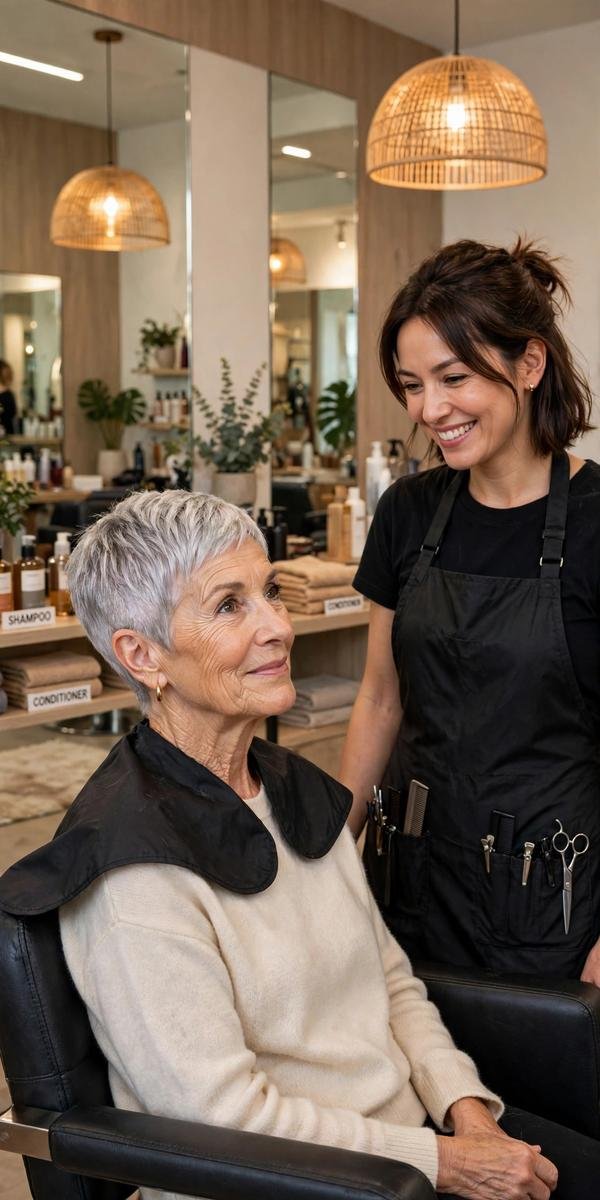
Pixie vs Bob Over 60: Which One Suits You?
You are standing in front of the mirror, and the same question keeps coming back. Pixie or bob? Both are short, both are elegant, and both suit women over 60. But they feel very different on a real morning, and they ask for different things from your hair, your face, and your time.

This guide puts the two cuts side by side, so you can pick with confidence. You will see how each one works with your face shape, your hair texture, and the way you like to spend your mornings. You will also see what each cut costs in time and salon visits over a year, so the choice is honest, not just about the photo. No jargon, no pressure, just a clear look at both.
By the end, you will know which cut fits your life better, and exactly what to ask your stylist for. Save this guide, read through the eight points, and take the winner to your next appointment.
1. The Pixie at a Glance

A pixie is the shortest of the two cuts, and it is also the boldest. The hair is cut close at the sides and back, with soft length on top that you can sweep, spike, or smooth down. It shows off your face, your cheekbones, and your earrings, and it feels light on the head from the first day. A pixie suits women who like a clean, fresh look and do not mind a little attention. It grows out fast, so it needs regular trims to hold its shape. If you like waking up and being nearly done, the pixie is made for you.
2. The Bob at a Glance

A bob is the softer, longer choice. It sits at the chin or just below the ears, with a clean line that frames the face. It can be straight and sleek, or soft and wavy, and it gives you more hair to play with than a pixie. A bob suits women who want a classic look that still feels modern, and it works with most hair types. It holds its shape longer between cuts, and it is easy to dress up for events. If you want length you can tuck, curl, or pin back, the bob wins.
Quick Tip
A bob grows out into a longer bob without looking messy, so you can stretch the gap between cuts. A pixie cannot do that, so plan your trims before you choose.
3. Face Shape

Your face shape is the best place to start. A pixie opens up the whole face, so it flatters oval and heart shaped faces most, and it shows off strong cheekbones. A round face can still wear a pixie, but it needs height on top to balance the width. A bob is more forgiving, because the length at the sides softens a square jaw and slims a round face. If your face is long, a bob with a soft fringe brings balance. The rule is simple: the pixie shows your face, the bob shapes it. Pick the one that works with the face you have.
4. Hair Texture and Thickness

Texture decides a lot. Fine hair loves a pixie, because short layers add lift and the cut never looks flat. Thick hair can fight a pixie, because the top can puff up and need daily taming. A bob is kinder to thick hair, since the weight of the length keeps it calm, and layers can thin it out. Curly hair suits both, but in different ways: a pixie lets curls spring up tight and neat, while a bob lets them fall soft around the face. If your hair is thinning on top, a pixie hides it better, because the layers blend the thin spots. Ask your stylist to cut for the texture you have, not the texture you wish you had.
What to ask your stylist
5. Upkeep and Trims
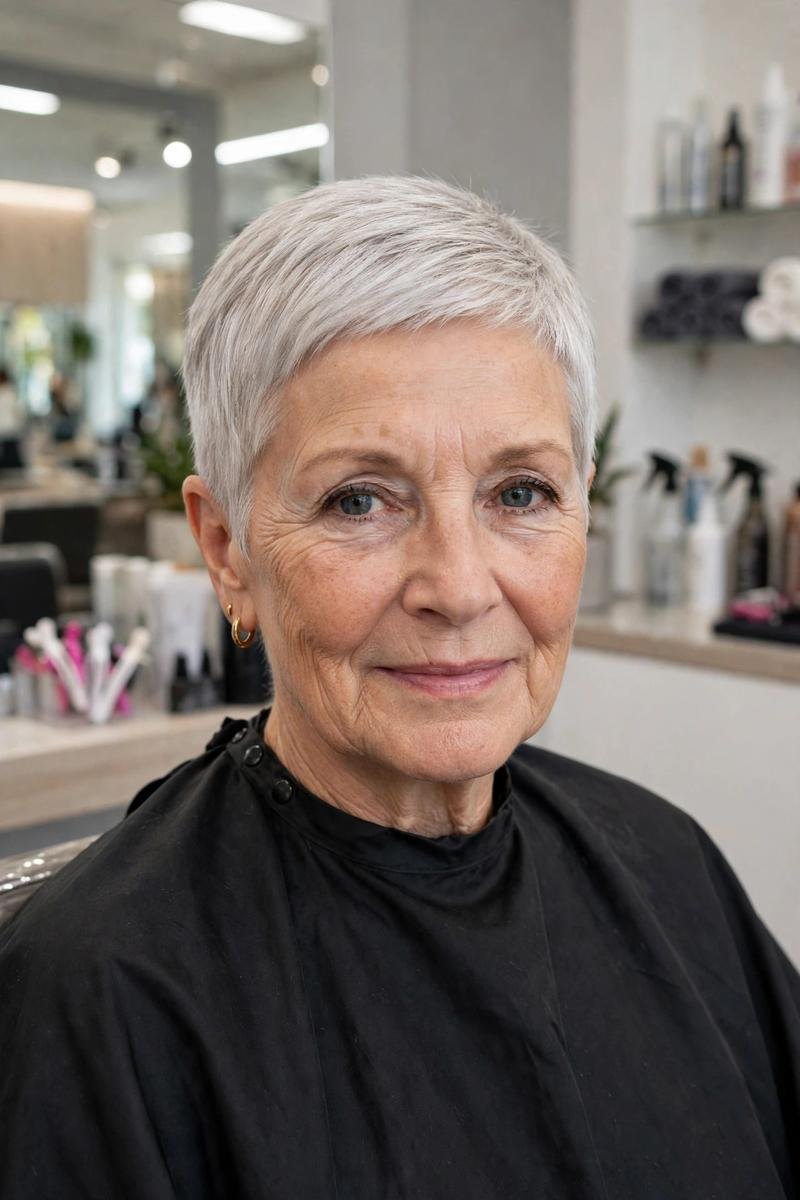
A pixie asks for more salon visits. To keep the shape sharp, most women book a trim every four to five weeks. Let it go longer, and the sides grow out soft and lose the clean line. A bob is more patient. It holds its shape for six to eight weeks, and it grows out into a longer bob without looking messy. If you like a low cost routine and fewer appointments, the bob is the easier friend. If you enjoy the salon and like your cut always fresh, the pixie is worth the extra visits. Count the trips before you choose, not after.
Quick Tip
Book your next trim before you leave the salon. A pixie booked in advance never loses its shape, and you never have to wait for an open slot.
6. Styling Time Each Morning

Mornings tell the truth. A pixie takes two to three minutes: a little cream, a quick sweep with your fingers, and you are done. It dries fast, and it rarely needs a brush or heat. A bob takes a little longer, around five to ten minutes, because the ends need smoothing and the shape needs a brush or a flat iron on some days. On the other hand, a bob can be tied back on a bad hair day, and a pixie cannot. If your mornings are rushed, the pixie saves time. If you like a little styling ritual, the bob gives you more to do.
7. Cost and Salon Visits

Over a year, the pixie costs more. Trims every four to five weeks add up to about ten or eleven visits a year, and each visit is a cut, not just a tidy up. A bob needs about six or seven visits a year, so the bill is lower and the calendar is calmer. Home care is cheap for both: a light cream for the pixie, a serum for the bob, and a silver shampoo for both. Neither cut needs costly tools. If your budget is tight, the bob is the kinder choice. If you are happy to pay for a cut that always looks sharp, the pixie earns its price.
“The cheapest cut is the one you can live with between visits. Pick the rhythm that fits your calendar, not just your mirror.”
8. The Verdict: Which One Suits You

Here is the short answer. Pick the pixie if you want a bold, light cut that takes two minutes each morning, if your hair is fine, and if you do not mind a trim every month. Pick the bob if you want a soft, classic cut that forgives a missed trim, if your hair is thick or wavy, and if you like the option to pin it back. Both cuts look elegant over 60, and neither one is wrong. The best cut is the one that fits your face, your hair, and your life. If you are still torn, ask your stylist to cut a bob first: you can always go shorter, but you cannot go back.
Your Next Step
Pixie or bob, you now know what each one asks of you. Show this guide to your stylist, point at the winner, and book the cut. Bring a photo of the style you love, and tell your stylist how much time you want to spend on your hair each morning. Then enjoy the compliments. Save this guide for your next appointment, and share it with a friend who is stuck on the same question.