
Cream vs Powder Makeup Over 50: Which Is Better?
After 50, the makeup that worked in your thirties can start to work against you. Cream can slide into fine lines by lunch. Powder can sit on dry skin and make it look older than it is. So which one is better? The honest answer is that it depends on your skin, your day, and the look you want.
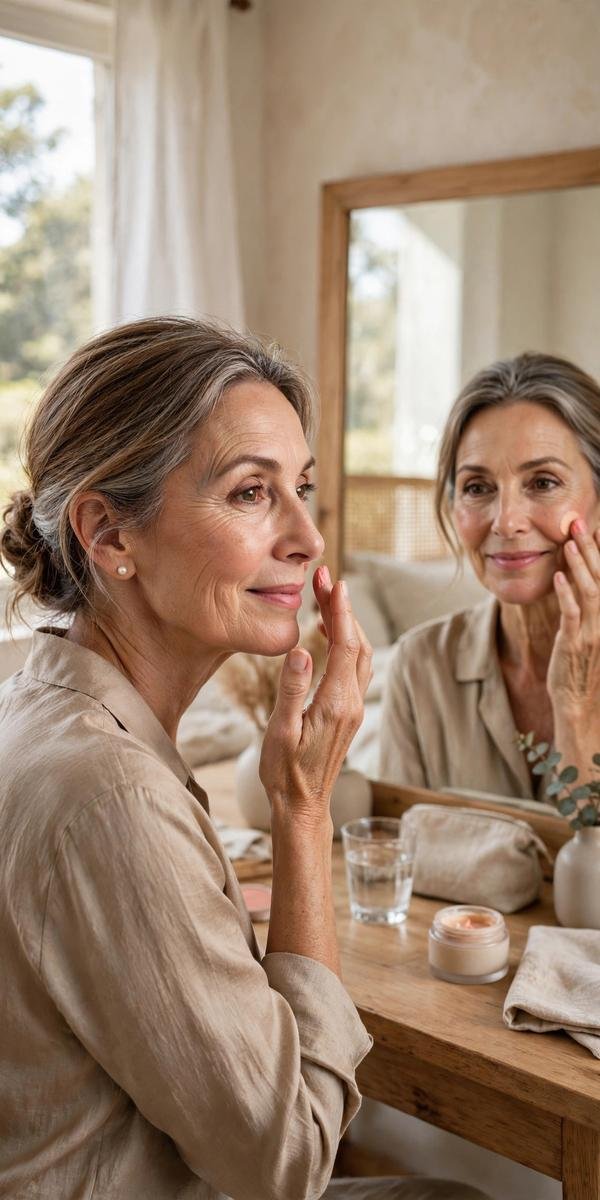
This guide puts cream and powder side by side. You will see how each one looks on mature skin, how long it lasts, how to apply it, and what it costs. By the end, you will know which one to reach for in the morning, and when to use both together.
No product here is magic, and no rule fits every face. But once you know how each formula behaves, you can stop guessing and start choosing with confidence. A few small changes in how you apply your makeup can make a real difference in how fresh you look at the end of the day.
1. Cream at a Glance
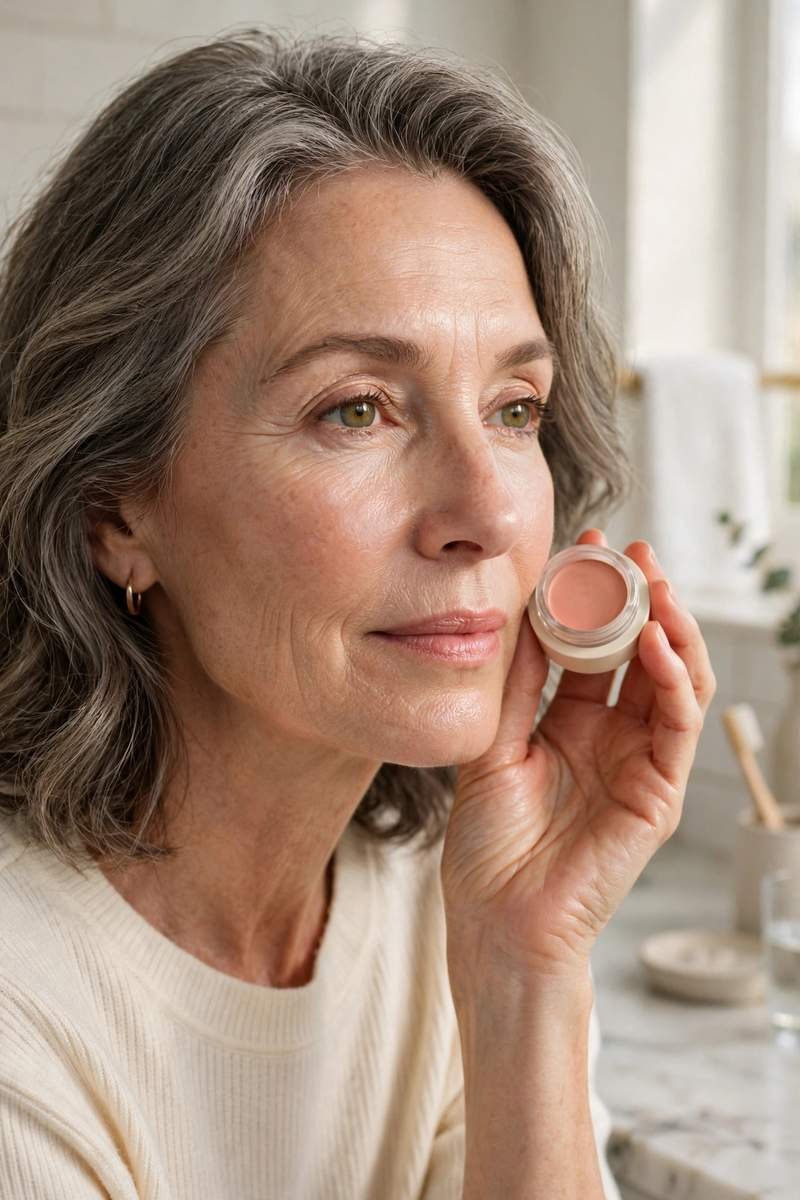
Cream makeup comes in pots, sticks, and tubes, and it feels soft and moist to the touch. It blends with your fingers or a sponge, and it melts into the skin instead of sitting on top of it. That is why it gives a fresh, dewy glow that suits mature skin so well.
Cream blush, bronzer, and foundation are the most popular forms. A cream blush gives cheeks a healthy flush that looks like it comes from within. A cream foundation can even out tone without looking heavy. The main risk is shine. On warm days, or on oily skin, cream can move and settle into lines, so a light set with powder is often needed.
2. Powder at a Glance

Powder makeup comes as loose powder, pressed powder, and powder blush or bronzer. It feels dry and light, and it sets everything it touches. A brush sweeps it on in seconds, and it takes shine down at once, which is why so many women keep one in their bag.
Powder is best known for control. It locks foundation in place, softens shine on the forehead and nose, and adds colour without any wet feel. The risk is dryness. On mature skin, too much powder can look chalky and settle into fine lines, making skin look older. The trick is a light hand and a good brush, never a heavy sponge press.
Quick Tip
Tap the brush once before it touches your face. The tap shakes off the extra powder, so you put on a thin layer instead of a thick one.
3. Coverage and Finish

Coverage is how much of the skin the makeup hides, and finish is how it looks once it is on. Cream gives light to medium coverage with a soft glow. It lets your real skin show through, which reads as fresh and natural. Powder can give light to full coverage, but the finish is matte, so it can look flat if you use too much.
For a natural day look, cream wins on glow. For a photo or an evening out, powder wins on polish, because it evens the skin and kills shine. Many women over 50 use both: cream for colour on the cheeks, powder just on the T zone. That mix gives glow where you want it and control where you need it.
4. Skin Type and Dryness
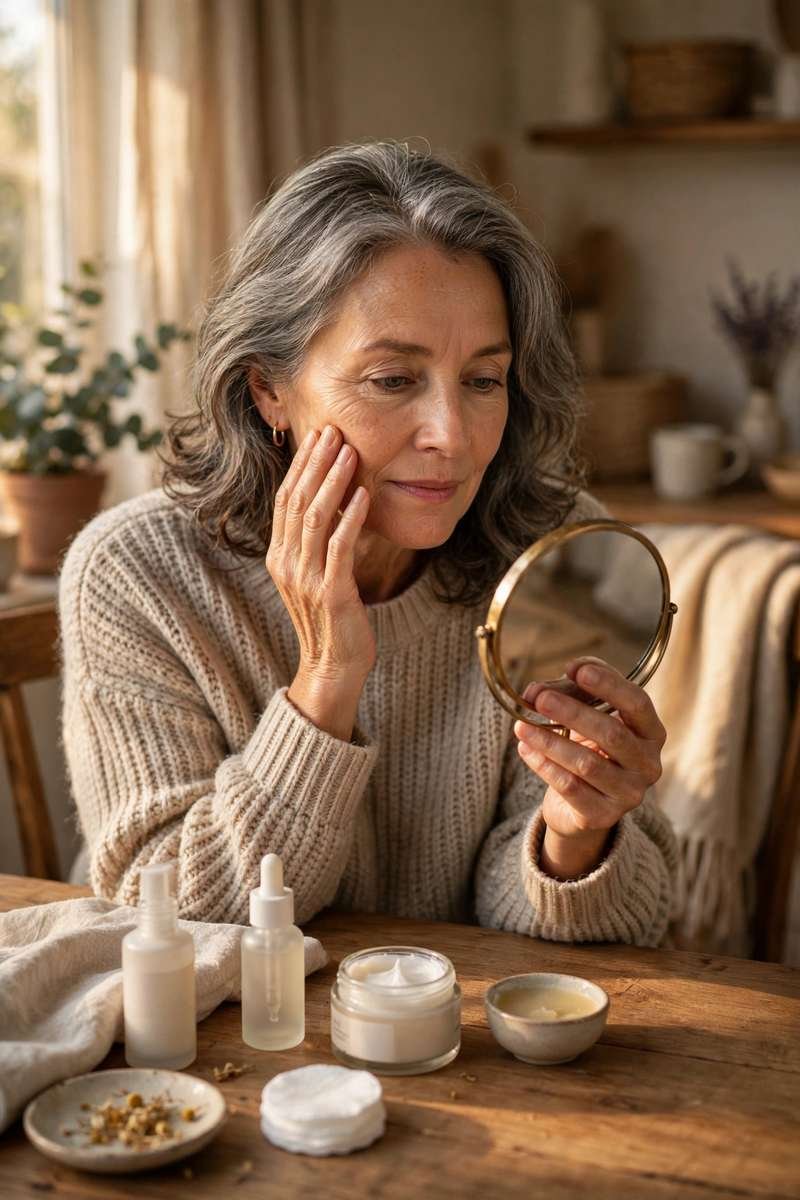
Skin type decides more than any trend does. Dry skin loves cream, because cream adds moisture and never pulls at the skin. If your cheeks feel tight by midday, cream blush and cream foundation will feel kind. Powder on very dry skin can flake and catch on rough patches, so use it only where you need it.
Oily skin is the reverse. Cream can slide and shine within a few hours on an oily T zone. Powder absorbs that oil and keeps the skin looking calm. Combination skin, which most women over 50 have, needs both: cream on the cheeks, powder on the forehead and nose. Mature skin also thins with age, so gentle formulas matter more than strong ones.
Match the formula to your skin
5. Staying Power

Staying power is how long the makeup looks good before it fades, creases, or slides. Powder wins here, because it sets and holds. A pressed powder over foundation can last through a full workday with one touch up. Cream fades faster, mainly in heat or on oily skin, and it can gather in fine lines after a few hours.
But staying power is not the whole story. A cream that fades softly still looks better than a powder that cracks. The best fix is layering: cream colour first, then a whisper of powder on top to lock it in. That pair lasts longer than either one alone, and it keeps the glow. Carry one blotting paper, not a full bag of products, for midday touch ups.
“Powder holds, cream glows. Put the cream on first and the powder on top, and you get both.”
6. Application and Tools
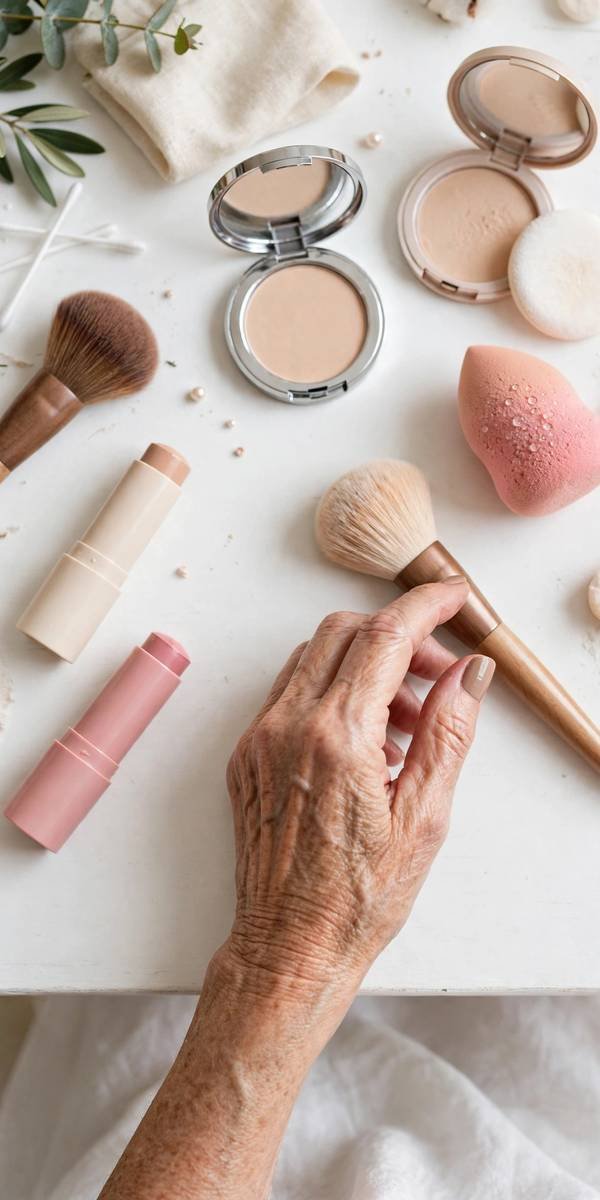
Cream is the faster of the two to apply. Warm it on your fingers, press it on, and blend the edges. No brush is needed, which makes cream great for travel and quick mornings. A damp sponge gives a softer finish if you want one. The key is a small amount. Too much cream looks greasy, so start with less than you think you need.
Powder needs a brush, and the brush matters. A big soft brush gives a light, even layer. A small dense brush packs on too much and can look heavy. Sweep powder on, do not press it in, and blend in circles. Wash your brushes every week, because a dirty brush drags old product and oil back onto your skin.
7. Cost
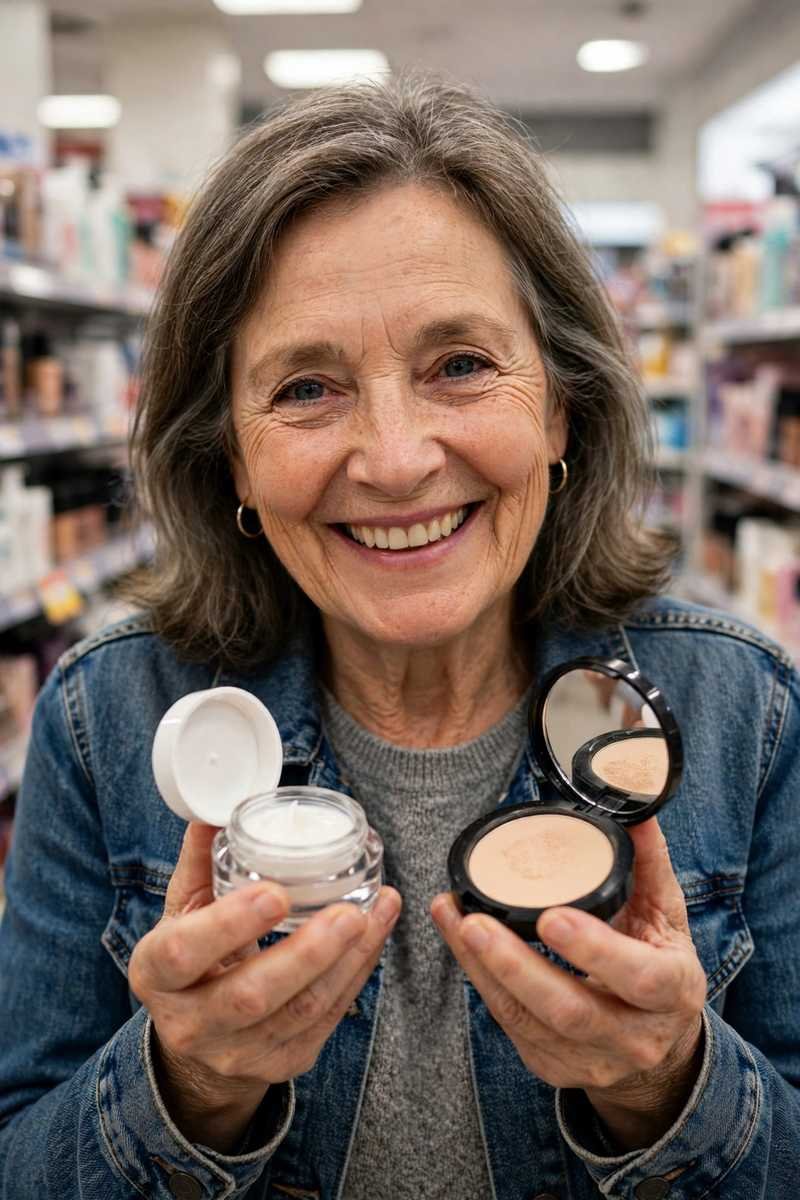
Cost is close between the two, but powder often wins on value. A pressed powder compact lasts months, because you use so little each day. A cream stick or pot can run out faster, since creams are used up more quickly and can dry out once opened. Drugstore brands make good versions of both, so you do not need a luxury price to get a good result.
Watch the size, not just the price tag. A small cream pot that costs less may hold half the product of a powder compact. Check the weight on the pack before you compare. And replace creams sooner than powders: creams can go off in about a year, while powders keep longer if you keep them dry and clean.
Quick Tip
Buy one good cream blush and one good powder first. Two products you love beat five you never reach for.
8. The Verdict
So which is better after 50? For most women, the answer is both, used in the right places. Cream gives the glow that mature skin needs, and powder gives the hold that keeps it looking fresh. If you had to pick only one, pick the one that suits your skin type: cream for dry skin, powder for oily skin.
Start with cream colour on the cheeks and a light cream base if your skin is dry. Set the T zone with a thin sweep of powder. Check your face in daylight, not just in the bathroom mirror, before you leave. That simple routine suits almost every face over 50, and it takes less than five minutes once you know it.
Which One Will You Reach For?
Cream and powder are not rivals. They are two tools that do different jobs, and mature skin often needs both. Try cream on your cheeks for a week, then try powder on your T zone, and see which morning you like best in the mirror.
Save this guide, share it with a friend who is still guessing at the counter, and come back when you are ready to try a new shade or a new brush. The best makeup after 50 is the kind you forget you are wearing.
